Table of Contents
- Why Compliance Planning Matters in New Kitchen Projects
- What Is Commercial Kitchen Compliance?
- Licensing and Legal Approvals Checklist
- Design and Layout Compliance Requirements
- Equipment and Installation Compliance Checks
- Fire Safety and Ventilation Compliance
- Hygiene and Food Safety Compliance
- Staff Safety and Operational Readiness
- Common Compliance Gaps in New Projects
- Frequently Asked Questions
- Final Thoughts and Compliance Takeaways
Why Compliance Planning Matters in New Kitchen Projects
Compliance must be the first consideration in any new kitchen project. Non-compliance leads to high costs beyond bureaucracy.
When new kitchens fail to comply with regulations, they often experience delayed openings, failed inspections, mandatory redesigns, or limited operations. By addressing compliance at the planning stage instead of treating it as a final checkbox, these problems can be prevented.
For instance, one recent project I oversaw involved a restaurant that diligently followed a standardized compliance checklist from the outset. As a result, the kitchen passed all initial inspections without delay, commenced operations on schedule, and reported minimal operational disruptions in its first year. This example demonstrates that adherence to a compliance checklist not only accelerates opening timelines but also promotes greater efficiency and reduces the likelihood of issues in early operations.
What Is Commercial Kitchen Compliance?
Meeting all operational, safety, hygienic, and legal criteria that control professional food preparation settings is referred to as commercial kitchen compliance.
Usually, compliance includes:
- Permissions and licenses for businesses
- Standards for layout and design
- Installation standards for equipment
- Rules for ventilation and fire safety
- Sanitation and food hygiene procedures
Requirements for employee safety and training
Although regional regulations differ, inspection bodies worldwide apply similar principles. By being aware of these early on, you can create kitchens that pass inspections without last-minute repairs.
Licensing and Legal Approvals Checklist
Legal permissions must be obtained before construction or installation begins.
A simple checklist for compliance consists of:
- Trade licenses and business registration
- Registration or license for food safety
- Local government approvals
- No-objection certification for fire safety
- Permissions for waste management or the environment
Commissioning can be delayed if even one approval is missed. To prevent last-minute obstacles, I always advise creating a detailed chart that identifies all required licenses and assigns each one to specific milestones within the project timeline. This mapping process involves listing every legal approval alongside its application deadline, expected processing duration, and the project phase it affects, which allows project stakeholders to anticipate and secure necessary permissions in a timely manner.
Design and Layout Compliance Requirements
Design is the first step towards compliance.
- Clearly defined clean and unclean zones are essential components of kitchen layouts.
- Food flow that makes sense from receiving to serving
- Sufficient aisle widths for secure mobility
- Handwash stations that are easily accessible at strategic locations
Even with excellent equipment and hygiene procedures, poor layout choices frequently result in inspection failures. Purpose-planned kitchens satisfy layout compliance far more consistently than renovated rooms.
Equipment and Installation Compliance Checks
Selecting the appropriate machines is not the sole aspect of equipment compliance. It has to do with their installation.
Important checks consist of:
- Commercially certified equipment
- Appropriate distance between units that produce heat
- Level surfaces and a stable installation
- Access for upkeep and cleaning
- Manufacturer-recommended clearances
I frequently witness new projects failing inspections due to congested equipment or blocked utility access. Early collaboration between the design and installation teams can avoid these problems.
Fire Safety and Ventilation Compliance
During inspections, fire and ventilation systems are closely examined.
Typical requirements for compliance include:
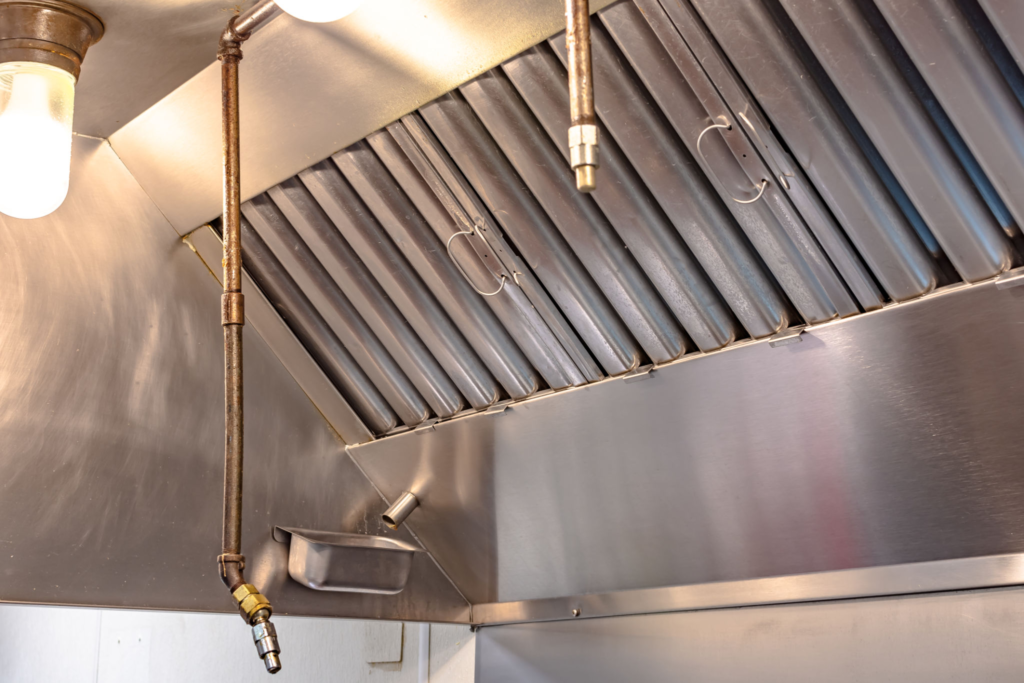
- Kitchen hood systems that are the right size
- Constant mechanical exhaust
- Access to ducting and grease filtration
- Systems for integrated fire suppression
- Fire extinguishers and exits that are easily accessible
Professional kitchens must exhibit far more stringent fire risk control than home settings. Planning for ventilation should always be in line with the layout and cooking load.
Hygiene and Food Safety Compliance
Compliance with food safety regulations is a fundamental component of all inspections.
Important prerequisites consist of:
- Surfaces that are easy to clean and non-porous
- Handling raw and cooked food separately
- Storage with temperature control
- Cleaning routines that are documented
- Preventive methods for pests
In my experience, restaurants that incorporate hygiene into their operations have far easier compliance than those that just use cleaning schedules.
Staff Safety and Operational Readiness
Without taking individuals into account, compliance is not complete.
- Adequate lighting and safe flooring are common staff-related inspections.
- Clear routes for movement
- Sharp tool storage
- Instruction in emergency protocols and equipment use
Operational preparedness guarantees that the commercial kitchen compliance checklist is attainable under actual service conditions rather than merely being theoretical.
Common Compliance Gaps in New Projects
The same gaps keep showing up in new kitchen projects.
Typical problems consist of:
- Applications for licenses submitted too late
- Inadequate ventilation dimensions
- Insufficient positioning of the handwash station
- equipment layouts that are too cluttered
- Documentation that is missing during inspections
Treating compliance as a final step rather than a design input is the root cause of most of these problems.
Frequently Asked Questions
Is it necessary to comply before starting a commercial kitchen?
Indeed. Before activities start, the majority of authorities demand approvals and inspections.
Does kitchen size affect compliance?
No matter how big or little the requirements are, compliance is always required.
Can problems with compliance be resolved after installation?
Some can, although retrofitting is typically more costly and time-consuming.
In a new project, who is in charge of compliance?
The operator bears responsibility, with assistance from experts, suppliers, and designers.
How frequently should compliance be examined?
Frequent assessments are advised, particularly following menu expansions or equipment modifications.
Final Thoughts and Compliance Takeaways
The purpose of a compliance checklist is not to restrict speed or innovation. It has to do with safeguarding your investment.
Early compliance planning results in timely kitchen openings, regular inspections, and stable operations. Every inspection becomes dangerous if it is disregarded.
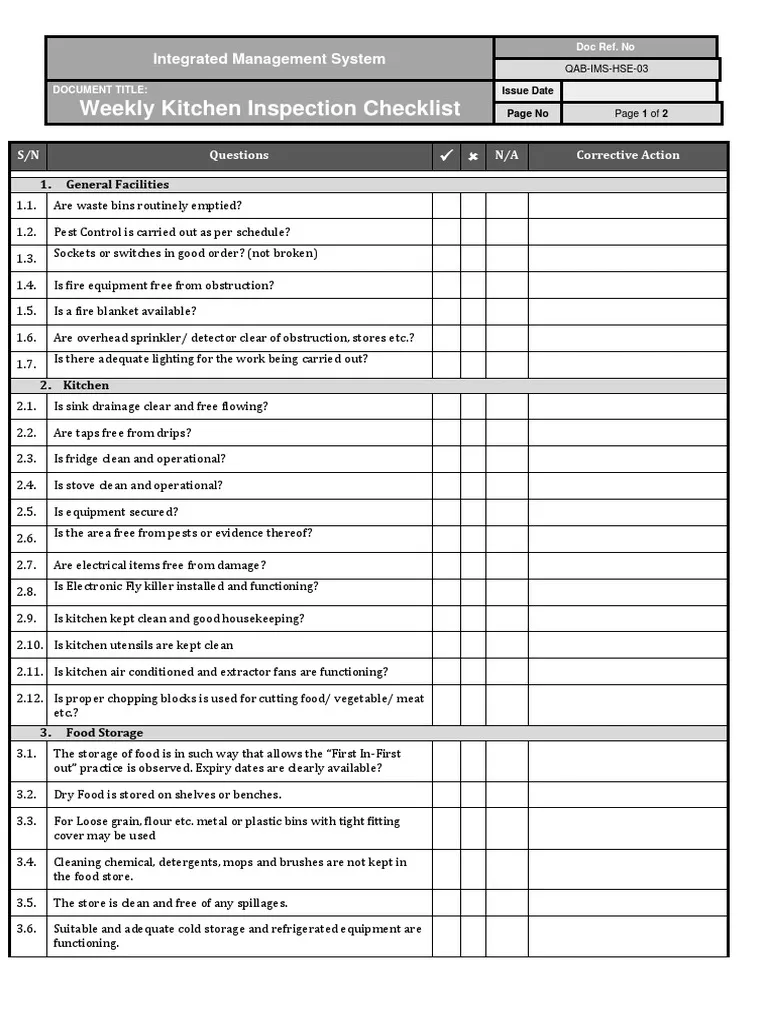
Use a systematic commercial kitchen compliance checklist as part of your planning process if you are beginning a new project. In the long run, it will reduce operational stress, money, and time.
For the specific approvals this checklist assumes, see our full breakdown of commercial kitchen licences in India, including FSSAI, fire NOC, and municipal requirements.