Table of Contents
- Why Setting the Right Timeline Matters
- What I Mean by a Commercial Kitchen Project Timeline
- Phase One: Concept Planning and Requirement Finalisation
- Phase Two: Design Development and Technical Coordination
- Phase Three: Approvals, Procurement, and Pre-Execution
- Phase Four: Installation and On-Site Execution
- Phase Five: Testing, Commissioning, and Handover
- Factors That Commonly Impact Project Timelines
- Frequently Asked Questions
- Final Thoughts and Expectation-Setting Takeaways
Why Setting the Right Timeline Matters
“What is the estimated time to finish a commercial kitchen?” is one of the most frequent queries I receive.
Deadlines for commercial kitchen projects mostly depend on how quickly decisions are made, how well teams coordinate, and how clear the project requirements are. Delays usually happen not because work is slow, but because the project scope is unclear, approvals are late, or requirements keep changing.
Early setting of reasonable expectations helps prevent hasty judgments, subpar work, and needless stress. This is why understanding a typical commercial kitchen project timeline is critical before work begins.
What is a Commercial Kitchen Project Timeline?
A commercial kitchen project timeline outlines the main stages that take a kitchen from an initial idea to being fully operational.
It consists of:
- Planning and brainstorming
- Choosing and ordering equipment
- Getting the site ready and installing equipment
- Testing everything to make sure it works
Some of these steps might happen at the same time, but it’s important they’re coordinated. What matters most is steady progress and good results, not just rushing.
Phase One: Concept Planning and Requirement Finalisation
This is the foundation for the entire project.
Normal time frame: two to four weeks
At this point, I concentrate on:
- Definition of business and service models
- Complexity of the menu and volume of manufacturing
- Plans and space limitations
- Zoning logic and first workflow
Taking time at this stage prevents mistakes that would need to be fixed later, saving weeks during the rest of the project.
Phase Two: Design Development and Technical Coordination
Design work starts as soon as the requirements are known.
Average time frame: three to five weeks
This stage consists of:
- Thorough planning of the layout
- Validation of workflow
- Allocating space and zoning
- collaborating with consultants and architects
- Integration of safety, cleanliness, and compliance
This is where ideas become actual plans on paper. If the team works well together now, there will be fewer headaches down the road.
Phase Three: Approvals, Procurement, and Pre-Execution
This stage frequently occurs concurrently with the completion of the design.
Depending on equipment lead times, the typical timeframe is 4 to 8 weeks.
Important tasks consist of:
- Statutory and regulatory clearances
- Final choice of equipment
- Timelines for production and procurement
- Planning for delivery and logistics
One of the main risks to the timeline is delays in getting equipment. Finalizing specifications early can help avoid this problem.
Phase Four: Installation and On-Site Execution
This is when you can actually see things coming together at the site.
Average time frame: three to six weeks
Among the activities are:
- Installation of equipment
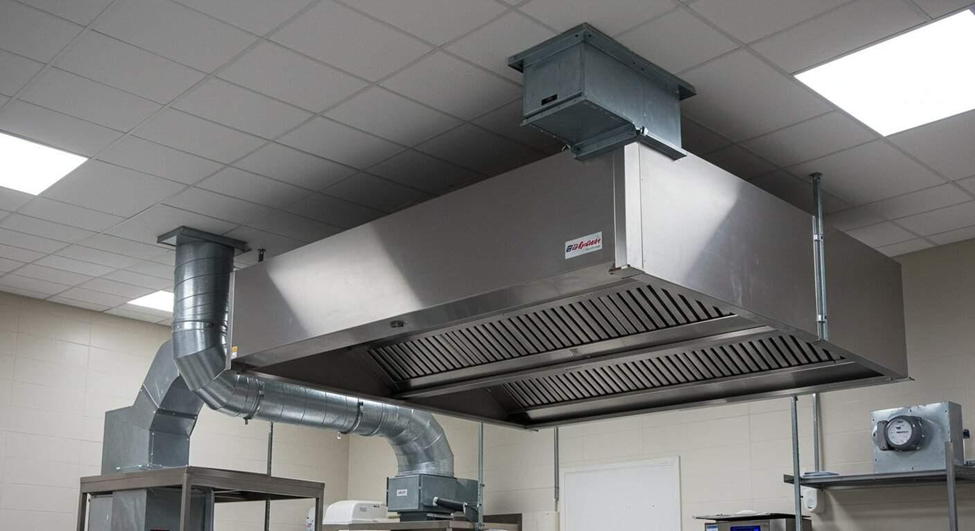
- Setting up a ventilation and hood system
- Connections to utilities
- Integration of fire safety systems
In a turnkey project, work is done in a planned order to avoid confusion or wasted effort. Having one team coordinate everything helps this stage go smoothly.
Phase Five: Testing, Commissioning, and Handover
When the installation is finished, the kitchen is not finished.
Usually lasts between one and two weeks.
This stage includes:
- Testing of equipment while it is operating
- Performance evaluations of ventilation
- Verification of safety and emergency systems
- Validation of workflow
- Final documentation and handover
Here, you check that everything works, not just that it looks finished. If you skip this, people and equipment could run into trouble later.
Factors That Commonly Impact Project Timelines
Even with good planning, some things can still slow down the timeline.
Typical reasons include:
- Late modifications to the design
- Postponed approvals
- extended lead periods for equipment
- Issues with site readiness
- Mismatches in utility capacity
If people make decisions fast and the project plan doesn’t keep changing, you avoid most delays.
Knowing these factors helps teams set more realistic expectations for the project timeline.
Frequently Asked Questions
Can a commercial kitchen be completed faster than this timeline?
Yes, but only when the scope is simple, and decisions are made early.
Do turnkey projects always move faster?
They are more predictable because coordination is centralised.
What causes the biggest delays?
Late changes and delayed approvals.
Should procurement start before design is complete?
Only for long-lead items, and only when specifications are locked.
Is commissioning really necessary?
Yes. It ensures the kitchen works under real conditions.
Final Thoughts and Expectation-Setting Takeaways
Having a realistic schedule is one of the most important parts of planning a kitchen remodel.
Projects progress confidently rather than urgently when teams are aware of the phases, dependencies, and hazards. Predictability, not just speed, is what makes an organised commercial kitchen project timeline truly valuable.
Before setting deadlines, learn what’s involved in designing a new kitchen. Clear expectations lead to better results and a smoother project.