Table of Contents
- Why Energy Efficiency Is No Longer Optional
- What Energy Efficiency in Commercial Kitchen Equipment Really Means
- Where Commercial Kitchens Consume the Most Energy
- How to Evaluate Energy-Efficient Equipment
- The Impact of Ventilation and Refrigeration
- Energy Planning at the Design Stage
- Long-Term Cost Benefits of Energy Efficiency
- Frequently Asked Questions
- Final Thoughts on Sustainable Kitchen Operations
Why Energy Efficiency Is No Longer Optional
One of the biggest ongoing expenses in commercial kitchens is energy. Systems for cooking, refrigeration, ventilation, and dishwashing run for extended periods of time while carrying high loads.
Operators frequently underestimate the impact of energy use on long-term profitability, based on experience. Over years of operation, a seemingly insignificant variation in power rating becomes substantial.
Energy efficiency in commercial kitchen equipment is therefore more than just an environmental factor. It’s a financial tactic.
What Energy Efficiency in Commercial Kitchen Equipment Really Means
The ability of commercial kitchen appliances to efficiently transform energy input into usable output with the least amount of waste is known as energy efficiency.
Effective equipment:
- swiftly reaches the working temperature
- keeps the temperature constant.
- minimizes heat loss
- uses less gas or electricity per unit of production.
It’s not only about purchasing efficient equipment. It involves choosing machinery that complements utility capacity and production demands.
Where Commercial Kitchens Consume the Most Energy
Prioritizing improvements is made easier with an understanding of energy hotspots.
Usually, the locations with the highest usage include:
- Fryers, combi ovens, and cooking ranges
- Continuously running refrigeration systems
- Exhaust and ventilation systems
- Hot water and dishwashing systems
Based on my experience, a large portion of overall energy use is frequently attributed to ventilation and refrigeration together. Inflated operating expenses result from planning that ignores these systems.
How to Evaluate Energy-Efficient Equipment
I consider factors other than quoted ratings when evaluating equipment.
Important evaluation criteria consist of:
- Specifications for power consumption
- Quality of insulation
- Features for heat recovery
- Standby or automatic shut-off modes
- Reactivity to loads
Kitchen equipment that are energy-efficient should reflect real consumption trends. Even if a piece of equipment has an efficiency label, it still wastes energy.
It is more crucial to consider lifespan energy cost than just purchase price.
The Impact of Ventilation and Refrigeration
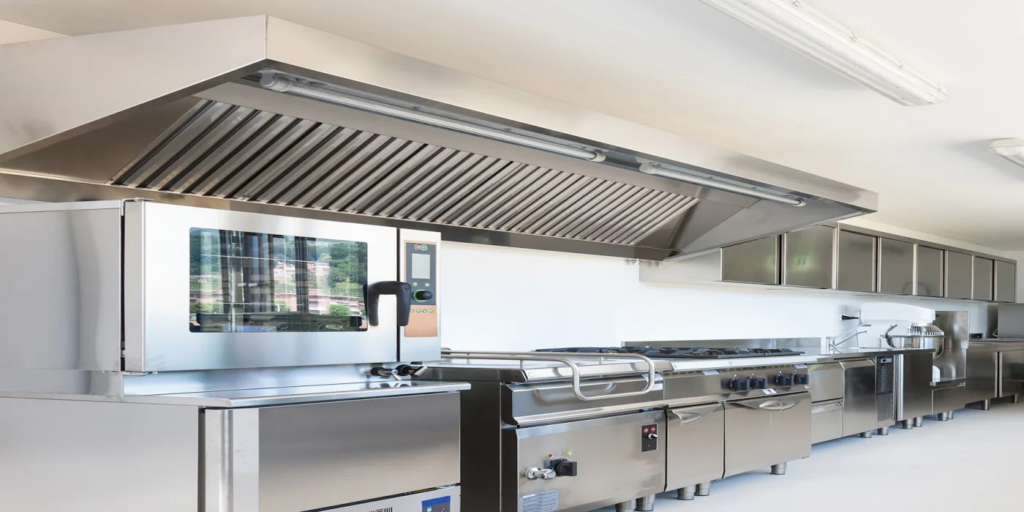
Ventilation systems eliminate heat, smoke, and grease, but they also use a lot of energy. Improperly balanced exhaust systems increase utility costs and cooling demand.
Systems for refrigeration run constantly. Little inefficiencies add up quickly.
Increasing the energy efficiency of commercial kitchen appliances frequently starts with:
· The right size for the hood
· Systems for balanced make-up air
· Compressors with high efficiency
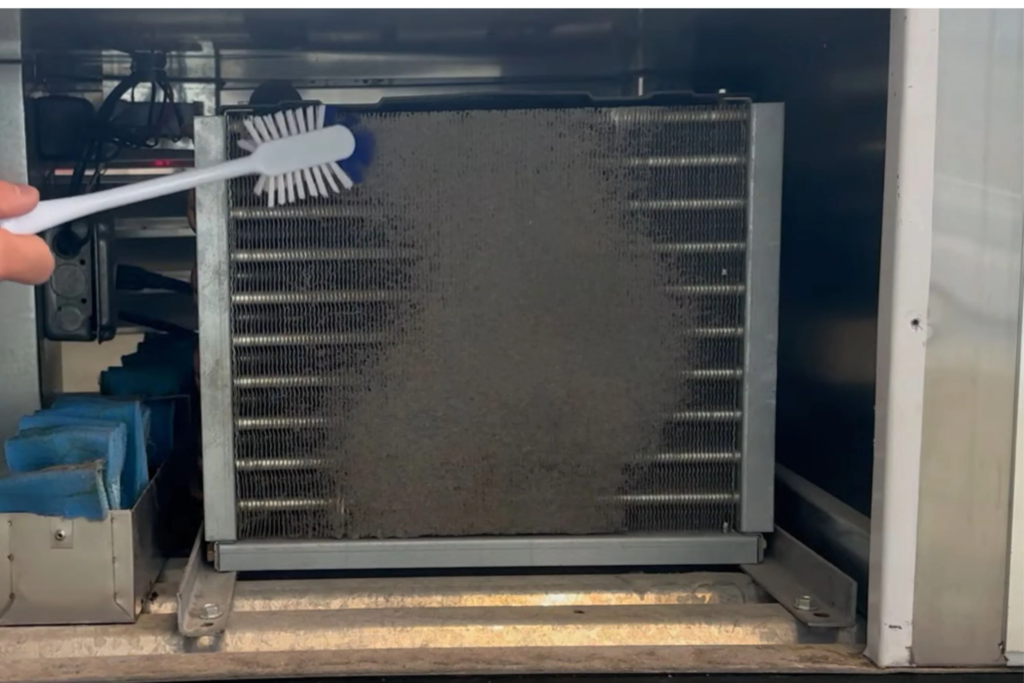
· Frequent cleaning of the condenser
Experience has shown that energy performance is directly impacted by preventive maintenance.
Energy Planning at the Design Stage
Utility and layout planning should be the first steps toward energy efficiency.
Among the design considerations are:
- Refrigeration should be placed away from heat sources.
- Putting high-temperature equipment in logical groups
- Reducing needless heat gain
- Providing sufficient airflow
Utility overload is avoided, and long-term operational costs are decreased via energy load planning during the design phase.
It is significantly more expensive to retrofit efficiency later than to properly plan it from the beginning.
Long-Term Cost Benefits of Energy Efficiency
Although energy-efficiency in commercial kitchen equipment may cost more up front, the savings over time frequently offset the cost.
Advantages consist of:
- Reduced monthly utility costs
- Less strain on the equipment
- Longer lifespan of equipment
- Enhanced productivity and comfort in the kitchen
Sustainable cooking practices eventually improve financial stability and lessen their negative effects on the environment.
Commercial kitchen equipment energy efficiency is a responsibility for more intelligent operations as well as a tool for cost reduction.
Frequently Asked Questions
Does the cost of energy-efficient equipment always increase?
Although initial expenses might be more, lifespan savings frequently make up the difference.
Does performance suffer from energy efficiency?
No, well-made, effective machinery preserves or enhances performance.
Can energy efficiency be increased in older kitchens?
Indeed. It is possible to measure the impact of upgrading certain high-consumption devices.
What impact does maintenance have on energy consumption?
Resistance, heat loss, and energy waste are all increased by poor maintenance.
Should kitchen design incorporate energy planning?
Yes, the layout and utilities stages are when energy planning works best.
Final Thoughts on Sustainable Kitchen Operations
The word “energy efficiency” is not used in marketing. It’s a discipline that deals with operations.
Energy performance is greatly enhanced when equipment is carefully chosen, placed, and maintained. Stronger sustainability results, improved system reliability, and reduced operating costs are the end results.
When considering a kitchen renovation or equipment upgrade, consider energy usage in addition to capacity and workflow. Today, sustainable choices safeguard long-term performance as well as profits.