Table of Contents
Why Air Balance Matters in Commercial Kitchens
What Is a Make-Up Air System?
Why Make-Up Air Systems Are Necessary
How a Make-Up Air System Works
Key Components of a Make-Up Air System
Impact on Kitchen Performance
Design and Installation Considerations
Common Issues with Make-Up Air Systems
Best Practices for Air Balance
Frequently Asked Questions
Final Thoughts on Make-Up Air Systems
Why Air Balance Matters in Commercial Kitchens
Exhaust systems are used to continuously remove significant amounts of air from commercial kitchens. Negative pressure develops in the kitchen if this air is not adequately replenished.
Uncomfortable working circumstances, equipment performance issues, and operational disruptions might result from this imbalance. Maintaining appropriate airflow and operational stability setups requires an understanding of the make-up air system in commercial kitchens.
A balanced system guarantees effective air movement without interfering with safety systems or culinary procedures.
What Is a Make-Up Air System?
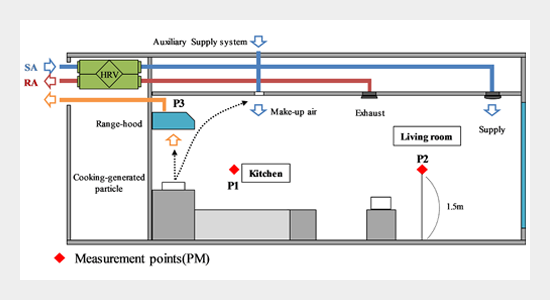
The purpose of a make-up air system is to replenish the air that the kitchen exhaust system removes. In order to keep the pressure balance in the kitchen, it brings in fresh air.
It functions by:
• Bringing in fresh air to the kitchen
• Replacing the air that exhaust systems remove
• Keeping the air pressure steady
• Encouraging steady airflow
An essential component of any ventilation system is this one.
Without it, there may be problems with ventilation in the kitchen that impact performance and comfort. Stable air circulation is guaranteed during operations with a well-designed commercial kitchen makeup air system.
Why Make-Up Air Systems Are Necessary
Maintaining a healthy kitchen atmosphere requires more than just exhaust systems.
Systems for makeup air aid in:
- Avoiding negative air pressure
- Encouraging appropriate exhaust performance
- Preserving the quality of indoor air
- Enhancing the comfort of employees
For a kitchen to run smoothly, these features are necessary.
Doors may become difficult to open, smoke may not be adequately evacuated, and equipment may not function as intended if there is insufficient air replenishment. The effective cooperation of all ventilation components is ensured by a balanced system.
How a Make-Up Air System Works
In order to replace exhausted air in the kitchen, a make-up air system replaces it with fresh air.
The procedure consists of:
• Hot and polluted air is removed by exhaust systems.
• Make-up air devices are used to inject fresh air.
• The kitchen’s air pressure is balanced.
• The airflow is steady and regulated.
This ongoing cycle guarantees adequate ventilation.
In order to guarantee that supply and exhaust air volumes are in line, the system is usually integrated with the overall ventilation design. Maintaining efficiency and avoiding operational disruptions depend on this balance.
A make-up air system is built around several components: the make-up air unit (MAU), supply air ducts, air diffusers, control systems, and heating or cooling components.
The MAU pulls fresh air in. Ducts move it through the kitchen, and diffusers spread it evenly across the space. Control systems regulate how the whole thing runs, and heating or cooling components bring incoming air to a comfortable temperature before it enters the kitchen.
Impact on Kitchen Performance
Equipment performance and kitchen efficiency are directly impacted by air balance.
Appropriate makeup air systems are beneficial:
• Boost the effectiveness of ventilation
• Keep the cooking conditions constant.
• Lessen the burden on exhaust systems
• Improve employee comfort
The overall effectiveness of operations is enhanced by these developments.
Equipment functions better, temperatures are constant, and the kitchen atmosphere is easier to control when airflow is balanced. Conversely, poor air balance might result in uneven performance and higher energy usage.
Design and Installation Considerations
Designing a make-up air system requires both planning and technical knowledge. The critical factors are matching supply and exhaust air volumes, placing diffusers in the right positions, integrating with existing ventilation, and making sure air reaches every part of the kitchen evenly.
Get any of these wrong and the system underperforms. Uneven airflow creates hot spots, discomfort, and pressure imbalances that affect the entire kitchen. A well-designed system avoids these problems and keeps the kitchen running without interference.
Common Issues with Make-Up Air Systems
Poorly designed or maintained systems show up in the same ways: not enough air supply, uneven distribution, temperature swings, and energy consumption that creeps up over time. Left unaddressed, these affect both staff comfort and kitchen output.
The fix is not complicated. Good design at the outset, consistent maintenance, and periodic airflow checks keep most of these problems from developing in the first place.
Best Practices for Air Balance
Long-term system dependability and efficiency are guaranteed by adhering to best practices.
Among the best practices are: • Developing systems according to kitchen equipment and load • Continually observing the equilibrium of airflow • Upkeep of system elements.
• Making sure exhaust systems are properly integrated
These procedures aid in sustaining reliable performance.
A well-maintained make-up air system in commercial kitchens guarantees that ventilation stays efficient and facilitates seamless kitchen operations.
Frequently Asked Questions
What is the purpose of a make-up air system?
In order to preserve pressure balance, it replenishes the air that exhaust systems remove.
What makes air balance in kitchens crucial?
It guarantees effective ventilation and avoids problems with operations.
Are make-up air systems necessary for kitchens to function?
No, inadequate air replacement can lead to issues with performance and airflow.
Does air used for makeup have an impact on energy use?
Indeed. Efficiency is increased by well-designed systems; energy consumption is increased by poorly designed systems.
Does ventilation design include make-up air?
Indeed. It is an essential part of any ventilation system for commercial kitchens.
Final Thoughts on Make-Up Air Systems
Maintaining appropriate airflow and operating efficiency requires an understanding of the function of a make-up air system in commercial kitchens.
By maintaining air balance, these technologies enhance both performance and safety. They also improve the effectiveness of the equipment and make the workplace more cosy.
It is not optional to have a well-designed make-up air system. It is an essential component of any successful kitchen ventilation plan.