Commercial kitchen equipment refers to heavy-duty, professional-grade appliances and tools specifically built for high-volume food production in hotels, restaurants, cloud kitchens, hospitals, and institutional catering setups. Unlike the appliances you use at home, these machines are engineered to run continuously, withstand extreme heat and moisture, and meet food safety standards like FSSAI and HACCP. If you are setting up a professional kitchen in India and are trying to understand what all this actually involves, from the types of equipment and materials to cost ranges and how to choose the right supplier, this guide covers all of it.
I have spent over 25 years in this industry through Jacioindicius, supplying, manufacturing, and installing commercial kitchen equipment for luxury hotels, QSRs, institutional kitchens, and everything in between across India. So when I say I have seen what works and what does not, that is not a marketing line. It is just the reality of being in this field for as long as I have.
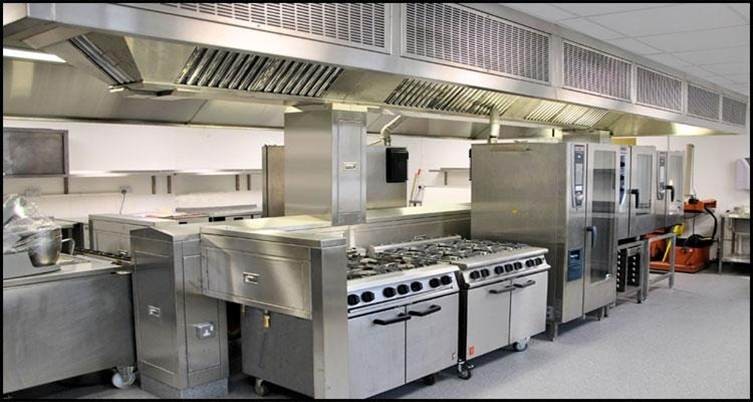
How Does Commercial Kitchen Differ from Home Appliances?
The short answer: commercial kitchen equipment is built for a completely different kind of use. A home gas stove is designed to cook maybe two or three meals a day. A commercial cooking range needs to handle non-stop cooking for 12 to 16 hours straight, sometimes longer during peak service hours in a busy hotel kitchen.
The key differences are not just about size. They come down to:
• Material grade: Commercial equipment uses food-safe SS304 stainless steel (or SS316 in high-acid environments), which is corrosion-resistant, easy to sanitise, and FSSAI-compliant. Home appliances typically use lower-grade metals or plastics.
• Power capacity: Commercial burners can produce anywhere from 10,000 to 40,000 BTU per burner. A standard home burner sits at roughly 7,000 to 10,000 BTU.
• Certifications: Professional equipment in India and globally should carry CE marks (European safety compliance), CB certification (international electrical safety), and in some categories, NSF International certification for food equipment hygiene. At Jacioindicius, we supply equipment that meets all of these standards.
• Lifespan: A good commercial range or refrigeration unit, properly maintained, can last 10 to 15 years. Home appliances are designed for perhaps 5 to 7 years of moderate use.
• Repairability: Commercial equipment is modular by design. Individual components like burner valves, thermostat probes, or compressor units can be replaced without scrapping the whole machine.
Perhaps the most overlooked difference is workflow design. Commercial kitchen equipment is arranged and built to support the systematic flow of a professional kitchen, from prep stations and cooking suites to service counters and dishwashing areas. That spatial thinking is what separates a functional commercial kitchen from one that just has expensive appliances in it.
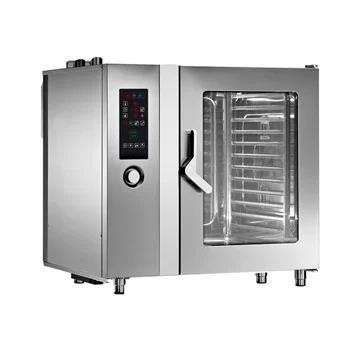
What Are the Main Types of Commercial Kitchen Equipment?
This is where I think a lot of guides either go too shallow or just give you a grocery list without context. Let me walk through the actual categories and what matters within each one.
[IMAGE: Labelled diagram or photo collage showing 6 categories of commercial kitchen equipment: cooking, refrigeration, prep, ventilation, washing, service]
1. Cooking Equipment
This is the heart of any kitchen. In Indian commercial kitchens especially, the variety needed is wider than most international guides acknowledge. You are not just looking at ranges and ovens. You need to account for:
• Commercial gas ranges (single, double, 4-burner, 6-burner) and Chinese ranges for high-heat wok cooking
• Induction cooking suites, which are increasingly preferred in luxury hotels for precision temperature control, energy efficiency, and safety. We supply CE and CB certified induction ranges that are well-suited for 5-star and institutional kitchen environments.
• Tandoor units (gas, charcoal, or electric) for North Indian cuisine operations
• Combi-ovens for baking, steaming, and roasting in a single unit
• Dosa plates, griddle plates, and flat-top grills for South Indian and fast-food operations
• Deep fryers, tilting pans, and bulk cooking vessels for high-volume catering
The choice between gas and induction is worth thinking about carefully. Gas is cheaper to run in most parts of India right now, but induction offers better temperature control, lower heat output into the kitchen environment, and is easier to clean. For high-end hotel kitchens and cloud kitchens with ventilation constraints, induction is becoming the preferred option.
2. Refrigeration and Cold Storage Equipment
Refrigeration is probably the category where poor purchasing decisions cost businesses the most money over time. An underpowered cold room or an unreliable blast chiller can lead to food spoilage, FSSAI violations, and real financial loss. The main equipment types here include:
• Reach-in upright chillers and freezers (for daily access to perishables)
• Undercounter refrigerators (for prep stations to keep ingredients at hand)
• Walk-in cold rooms and walk-in freezers (for bulk storage in hotels and large restaurants)
• Blast chillers (to rapidly cool cooked food to safe storage temperatures)
• Display chillers (for service areas and front-of-house dessert or salad displays)
• Ice makers and ice storage bins
One thing I always tell clients: size your cold storage for at least 20% more capacity than you think you need right now. Businesses grow. Storage needs grow faster.
3. Food Preparation Equipment
Prep equipment is about consistency and speed. When you are running a kitchen that serves 200 or 500 covers a day, manual prep work becomes a bottleneck fast. The key equipment here includes:
• Food processors and vegetable choppers: We supply Robot Coupe food processors, which are considered among the most durable and precise in the industry. NSF-certified models are available for clients with strict hygiene compliance requirements.
• Planetary mixers for dough, batters, and whipping applications
• Meat mincers and grinders for butchery or burger operations
• Slicers for deli or charcuterie setups
• Dough kneaders and spiral mixers for bakery sections
• Juice extractors and blenders for beverage stations
Robot Coupe, in particular, is a brand I recommend often for high-use kitchen environments. The build quality holds up in Indian conditions, and spare parts availability is reasonable through authorized distributors.
4. Ventilation and Exhaust Systems
This is the most underestimated category. I have seen kitchens with beautiful equipment where the ventilation was an afterthought, and the cooking team works in smoke, grease-laden air, and unsafe temperatures. A proper ventilation system includes:
• SS304 exhaust hoods (island hoods, wall-mounted hoods, canopy hoods depending on layout)
• Grease filters and baffle filters (which require regular cleaning to prevent fire hazards)
• Make-up air systems to replace extracted air and maintain kitchen pressure balance
• Grease traps to prevent FOG (fats, oils, and grease) from entering drainage
Ventilation planning is something we handle as part of our turnkey kitchen setup services. Getting it right at the design stage saves enormous cost and compliance headaches later. There is a detailed breakdown of how kitchen layout and ventilation work together in our guide on how equipment layout impacts kitchen efficiency.
5. Warewashing and Dishwashing Equipment
Speed and hygiene in dishwashing directly affect table turnover in restaurants and food safety compliance across all operations. The key equipment types are:
• Under-counter dishwashers (for smaller volume operations, cafes, bars)
• Hood-type or pass-through dishwashers (for mid-volume restaurant kitchens)
• Conveyor dishwashers (for high-volume hotel operations processing hundreds of covers per meal service)
• Sammic warewashing equipment: We are authorized distributors for Sammic, an NSF-certified European brand known for their build quality and wash performance. Their glasswashers and pot washers are particularly popular in hotel F&B setups.
• Three-compartment SS sinks and pot wash sinks
6. Storage and Service Equipment
This category often gets overlooked until a kitchen is actually running and people realize there is nowhere to put things. It includes:
• SS work tables and prep counters (SS304, with or without under-shelves)
• Storage racks, mobile trolleys, and gastronorm containers
• Bain marie units (wet and dry heat) for buffet and service operations
• Hot cases and food display counters for front-of-house
• Pass-through windows and service counters connecting kitchen to dining
How Much Does Commercial Kitchen Equipment Cost in India?
I get this question constantly, and I always say the same thing: it depends heavily on the scale of your operation, the brands you choose, and whether you are going for locally manufactured or imported equipment. That said, here is a realistic price reference table for 2025:
| Equipment Type | Entry Range (INR) | Mid Range (INR) | Premium Range (INR) |
| Commercial Gas Range | 25,000 – 60,000 | 60,000 – 1,50,000 | 1,50,000+ |
| Induction Cooking Suite | 40,000 – 80,000 | 80,000 – 2,00,000 | 2,00,000+ |
| Walk-in Cold Room | 1,50,000 – 3,00,000 | 3,00,000 – 6,00,000 | 6,00,000+ |
| Combi Oven (Rational/Similar) | 2,50,000 – 5,00,000 | 5,00,000 – 10,00,000 | 10,00,000+ |
| Food Processor (Robot Coupe) | 30,000 – 60,000 | 60,000 – 1,20,000 | 1,20,000+ |
| Commercial Dishwasher | 80,000 – 1,50,000 | 1,50,000 – 3,00,000 | 3,00,000+ |
| Exhaust Hood & Ventilation | 20,000 – 50,000 | 50,000 – 1,00,000 | 1,00,000+ |
A full kitchen setup for a 50-cover restaurant in India can range from approximately INR 10 to 20 lakh for a reasonably equipped setup, while a 5-star hotel kitchen project can run into several crores depending on the scope. Turnkey projects we handle at Jacioindicius typically include equipment supply, fabrication, installation, and commissioning, so the total cost is packaged.
What I would caution against is building a kitchen around the cheapest available option. A low-cost cooking range that fails after 18 months, or a cold room compressor that cannot handle Indian summer ambient temperatures, ends up costing more in replacement and downtime than a better initial investment would have.
For a more detailed look at what commissioning involves and why it matters before going live, see our post on why equipment commissioning is critical in commercial kitchens.
Which Brands Are Considered Best for Commercial Kitchen Equipment in India?
[IMAGE: Logo collage or product shots of Robot Coupe, Sammic, Roller Grill equipment displayed in a professional kitchen setting]
The Indian market today has a mix of domestically manufactured equipment and imported professional brands. Both have their place, but they serve different needs.
For imported professional-grade equipment, the brands I work with and personally vouch for include:
• Robot Coupe (France): The benchmark for food processors and preparation equipment globally. NSF certified, extremely durable, and widely used in 5-star hotel kitchens. We are authorized distributors of Robot Coupe in India.
• Sammic (Spain): Excellent warewashing and food preparation equipment. NSF certified. Their immersion blenders, vegetable processors, and dishwashers are all well-regarded. We supply and service Sammic equipment pan-India.
• Roller Grill (France): Specialists in display cooking and catering equipment. Their waffle makers, hot dog rollers, crepe machines, and panini grills are popular in hotel buffet and QSR applications. Roller Grill equipment we supply carries CE certification.
• Simran (India): A reliable choice for electrical accessories and small appliances in kitchen setups. Good value for bulk procurement across large institutional projects.
For locally manufactured stainless steel fabrication (work tables, exhaust hoods, sinks, storage racks), India has a strong manufacturing base. We manufacture these in-house at Jacioindicius using SS304 material, with custom dimensions available for site-specific requirements.
A key thing to check when buying imported equipment is certification. We only supply equipment with valid CE and CB certifications, and we carry E-Waste EPR authorization in Rajasthan, which means we handle end-of-life equipment responsibly under Indian environmental regulations.
How Do I Choose the Right Commercial Kitchen Equipment for My Hotel or Restaurant?
This is the question that actually matters the most, and it is the one most people approach backwards. They start by looking at equipment catalogues rather than starting with the kitchen itself.
Here is the framework I use with clients:
Start With Your Menu, Not the Equipment
The cuisine and volume you plan to serve should drive every equipment decision. A South Indian restaurant with a high dosa turnover needs a completely different cooking setup than a European-style fine dining kitchen. Cloud kitchens running multiple brands out of one space need different prep and storage strategies than a single-brand restaurant.
Plan the Layout Before Buying Anything
Kitchen layout directly affects efficiency, safety, and staff fatigue. The placement of cooking zones, cold storage, prep areas, washing stations, and service counters should follow a logical workflow. Poor layout leads to cross-contamination risks, excess movement, and slower service times. We handle end-to-end kitchen design and integration as part of our turnkey service, and I always recommend reading our detailed guide on how equipment layout impacts kitchen efficiency before finalizing any purchase.
Understand Utility Requirements
Every piece of commercial equipment has specific requirements for electrical load (single phase vs three phase), gas connections (PNG vs LPG), water pressure, and drainage. These need to be factored into your building infrastructure plan before equipment is specified. We assist with this as part of our commissioning process.
Check for Compliance With Indian and International Standards
Equipment for licensed food businesses in India must comply with FSSAI guidelines on food safety and hygiene. For exported food or kitchens serving international guests, adherence to HACCP principles is also expected. CE marked equipment meets EU safety directives, and NSF certification is the global benchmark for sanitary design in food service equipment. Our guide on standards to follow for commercial kitchen equipment goes deeper into this.
Factor in Energy Efficiency
Commercial kitchens are among the most energy-intensive spaces in any hospitality property. Energy Star-rated equipment, correctly sized cold rooms with adequate insulation, and induction cooking suites all contribute to meaningful long-term cost savings. We have written about this in detail in our post on energy efficiency in commercial kitchen equipment.
Evaluate the Supplier, Not Just the Equipment
Perhaps the most important factor in a long-term kitchen investment is the supplier you choose. Can they provide genuine warranty support? Do they have local technicians for after-sales service? Are spare parts available in India? Do they understand the specific demands of Indian hospitality operations?
At Jacioindicius, we have been answering these questions for 25 years. We operate pan-India, we service what we supply, and we work with certified equipment from brands that have authorized service infrastructure in India. That is not something every supplier can say.
What Are the Maintenance Requirements for Commercial Kitchen Equipment?
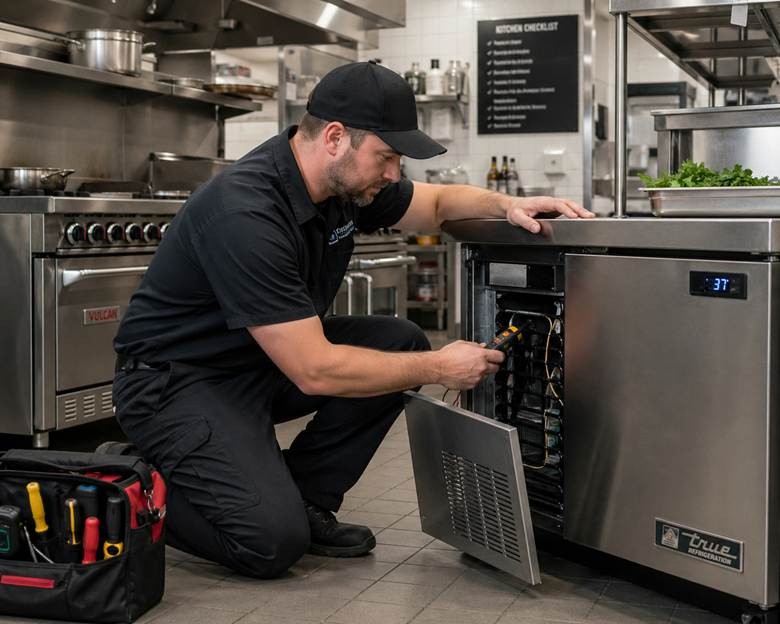
Maintenance is where most kitchen operations get complacent, and where most avoidable breakdowns happen. Here is the reality: a well-maintained commercial kitchen can run for 10 to 15 years without major capital reinvestment. A poorly maintained one starts failing at year 3 or 4.
The practical maintenance schedule I recommend:
Daily
• Clean cooking surfaces, griddles, and burner grates after each service
• Empty and clean grease traps
• Check refrigeration door seals for integrity
• Wipe down exhaust hood filters to prevent grease buildup
Weekly
• Deep clean all cooking equipment including oven cavities and fryer baskets
• Check and calibrate thermostat settings on ovens and refrigeration units
• Inspect ventilation fans for grease accumulation
• Descale dishwashers and glasswashers (especially in hard-water areas of India)
Quarterly / Annual
• Professional service of refrigeration compressors and refrigerant levels
• Full inspection and cleaning of walk-in cold room condensers
• Gas line pressure checks and valve inspections
• Lubrication of moving parts in food prep equipment
• Review and update AMC (Annual Maintenance Contract) coverage
We offer AMC services for all equipment we supply at Jacioindicius. I think an AMC is genuinely worth the investment for any kitchen that cannot afford unplanned downtime. The cost is almost always lower than a single emergency repair call. For a complete breakdown of what a good maintenance programme looks like, see our guide on maintenance tips for commercial kitchen equipment.
Also, it is worth noting that in India, E-Waste EPR (Extended Producer Responsibility) compliance is increasingly being enforced for electrical kitchen equipment. We hold valid EPR authorization in Rajasthan and are expanding our compliance infrastructure nationally. If you are procuring large volumes of electrical kitchen equipment, this is something your supplier should have documentation for.
Why Jacioindicius for Your Commercial Kitchen Equipment Needs
We are not the only supplier in this market, and I am not going to pretend otherwise. But after 25 years of working with hotel groups, restaurant chains, institutional kitchens, and individual restaurateurs across India, I think we have earned the right to say we understand what a commercial kitchen actually needs.
Here is what we bring to the table:
• Manufacturing capability: We fabricate SS304 commercial kitchen equipment in-house, with custom dimensions for site-specific requirements.
• Authorized distribution: We are authorized distributors for Robot Coupe, Sammic, and Roller Grill, which means you get genuine equipment with full warranty support.
• Certifications: All equipment we supply meets CE, CB, and where applicable, NSF International standards. We hold E-Waste EPR authorization in India.
• Turnkey solutions: From kitchen design and layout planning to equipment supply, installation, and commissioning, we handle the full scope.
• After-sales and AMC: We service what we supply, with pan-India coverage and structured AMC packages for hotels, restaurants, and institutions.
• Experience with luxury hospitality: We have executed projects for luxury hotel and high-volume catering setups, and understand the standards these environments demand.
If you are planning a new kitchen setup, upgrading existing equipment, or need expert guidance on what your operation actually requires, I would genuinely encourage you to reach out. Sometimes a one-hour conversation saves months of buying the wrong things.
Visit us at: jacioindicius.com
Frequently Asked Questions
What is the difference between SS304 and SS202 in commercial kitchen equipment?
SS304 is food-grade stainless steel with higher chromium and nickel content, making it more resistant to corrosion, acids from food, and regular cleaning chemicals. SS202 has less nickel and is more prone to rust over time, especially in humid kitchen environments. For any surface that contacts food directly, SS304 is the correct specification. SS202 can be acceptable for structural frames or shelving in dry areas.
Is NSF certification required for commercial kitchen equipment in India?
NSF certification is not currently mandated by Indian regulations, but it is increasingly required by premium hotel brands and institutional buyers as a hygiene standard benchmark. Equipment with NSF certification has been independently tested to confirm that it is easy to clean, has no exposed threads or crevices where bacteria can accumulate, and meets international sanitary design standards. Sammic and Robot Coupe, which we supply, carry NSF certification.
How long does commercial kitchen equipment typically last in India?
With proper maintenance, quality commercial equipment lasts 10 to 15 years. Refrigeration compressors typically have a service life of 8 to 12 years. Gas cooking ranges can last well over 15 years if maintained. Equipment in high-humidity coastal regions or in kitchens with poor ventilation tends to have a shorter lifespan, which is another reason why SS304 fabrication and proper ventilation are important starting points.
What is a turnkey commercial kitchen setup?
A turnkey kitchen setup means one provider handles everything from initial design and layout planning, equipment specification, procurement, fabrication, installation, and final commissioning. The kitchen is handed over ready to operate, hence the term turnkey. We offer this at Jacioindicius for hotels, restaurants, and institutional clients. More detail is available in our guide on integrating equipment in a turnkey commercial kitchen.
What safety standards should commercial kitchen equipment meet in India?
At minimum, equipment should comply with FSSAI guidelines for food contact surfaces and kitchen hygiene. Electrical equipment should carry BIS certification for the Indian market, and imported equipment should carry CE marks at minimum. Gas appliances should meet ISI standards for burner and valve safety. For fire safety, equipment placement must comply with NBC (National Building Code) and local fire department norms. We cover this topic in depth in our guide on safety considerations for commercial kitchen equipment.
Related Reading from Jacioindicius
• Why Equipment Commissioning Is Critical in Commercial Kitchens — https://jacioindicius.com/why-equipment-commissioning-is-critical-in-commercial-kitchens/
• Standards to Follow for Commercial Kitchen Equipment — https://jacioindicius.com/standards-to-follow-for-commercial-kitchen-equipment/
• Integrating Equipment in a Turnkey Commercial Kitchen — https://jacioindicius.com/integrating-equipment-in-a-turnkey-commercial-kitchen/
• Safety Considerations for Commercial Kitchen Equipment — https://jacioindicius.com/safety-considerations-for-commercial-kitchen-equipment/
• How Equipment Layout Impacts Kitchen Efficiency — https://jacioindicius.com/how-equipment-layout-impacts-kitchen-efficiency/
• Maintenance Tips for Commercial Kitchen Equipment — https://jacioindicius.com/maintenance-tips-for-commercial-kitchen-equipment/
• Energy Efficiency in Commercial Kitchen Equipment — https://jacioindicius.com/energy-efficiency-in-commercial-kitchen-equipment/